


How to Add More Protein to Everyday Indian Meals

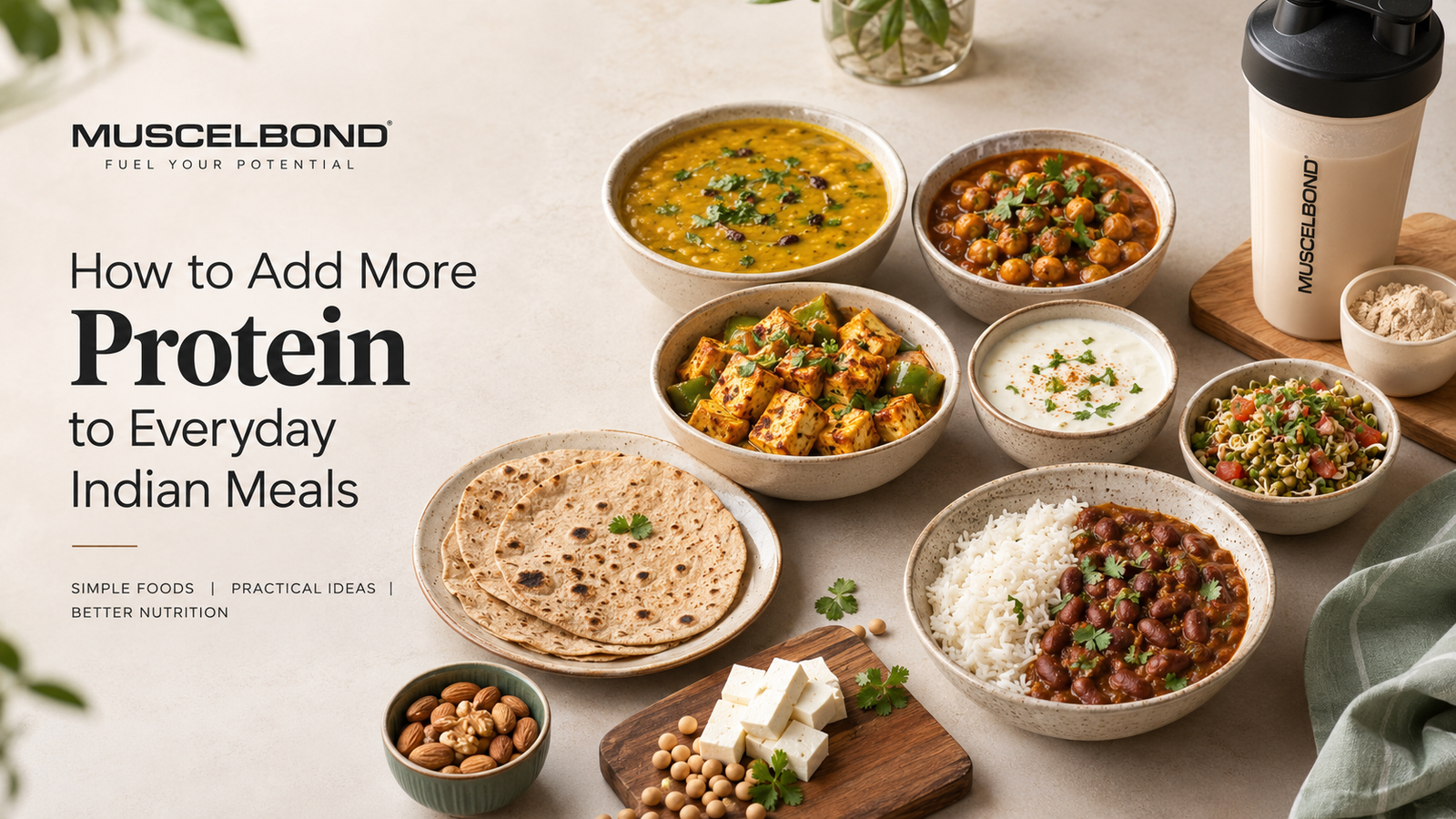
Getting enough protein doesn’t have to mean changing your entire diet, eating expensive foods, or preparing separate meals every day. Many Indian meals already contain protein-rich ingredients, including dal, chickpeas, rajma, paneer, curd, and soybeans. The key is knowing how to include these foods more consistently in your daily routine.
Whether you’re trying to support your gym training, maintain a balanced diet, or simply improve your everyday eating habits, small changes can make a difference. From upgrading your breakfast to choosing better snacks, there are several practical ways to increase your protein intake without giving up the foods you enjoy.
In this guide, we’ll explore how to add more protein to everyday Indian meals, which foods are worth including, and where a protein supplement such as MUSCELBOND Gold Whey Protein may fit into your routine.
Why Is Protein Important in Your Daily Diet?
Protein is an essential nutrient that helps the body build and repair tissues. It also supports muscle maintenance and contributes to several important processes, including the production of enzymes and hormones.
For people who exercise regularly, protein plays a role in muscle recovery and adaptation after training. However, its importance isn’t limited to athletes or gym-goers. Everyone needs adequate protein as part of a balanced diet.
Your daily protein requirements depend on factors such as age, activity level, overall diet, and individual health needs. Instead of relying on one protein-rich meal, aim to include suitable sources throughout the day.
The good news is that you can do this with familiar Indian ingredients without making your meals unnecessarily complicated.
1. Start Your Day With a Protein-Rich Breakfast

Breakfast is a convenient place to start improving your daily protein intake. Traditional options such as poha, paratha, or toast can still be part of your diet, but pairing them with protein-rich foods makes the meal more balanced.
Here are a few options to try:
- Besan chilla: Gram flour provides plant-based protein. Pair your chilla with curd for a more substantial breakfast.
- Paneer bhurji: Cook paneer with onions, tomatoes, and spices, then serve it with whole-wheat roti or toast.
- Moong dal chilla: Prepare savoury pancakes from soaked and ground moong dal.
- Oats with milk: Make oats with milk and add nuts or seeds for additional nutrients.
- Idli with sambar: Serve idli with a generous portion of lentil-based sambar.
You don’t need to follow a completely new breakfast plan. Start by adding one protein source to what you already eat and build from there.
2. Make Dal a Regular Part of Your Meals

Dal is one of the most accessible sources of plant-based protein in Indian households. Moong dal, masoor dal, toor dal, and urad dal all contribute protein while providing other nutrients.
If your meals usually contain more roti, rice, or vegetables than protein-rich foods, increasing the portion of dal can be a simple adjustment.
You can also rotate between different legumes to add variety to your diet. Rajma, chole, black-eyed peas, and other beans work well in curries, rice dishes, and homemade wraps.
A few practical ways to include more legumes are:
- Add dal to lunch or dinner regularly.
- Prepare rajma or chole for meals during the week.
- Include sprouts in salads or chaat.
- Combine lentils with rice or roti as part of a balanced meal.
The goal isn’t to depend on one food for all your protein needs. A variety of plant-based foods, combined with other suitable protein sources, can help you build a more balanced diet.
3. Include Paneer, Tofu, and Soybeans in Your Diet

Paneer, tofu, and soybeans are versatile ingredients that can make everyday Indian meals more protein-rich. They also work well with familiar spices and cooking methods, so you don’t need to learn entirely new recipes.
Paneer can be added to bhurji, wraps, sandwiches, parathas, and curries. Tofu can be used in stir-fries, lightly spiced gravies, or vegetable dishes. Soy chunks are another convenient option that can be added to pulao, curry, and homemade rolls.
These foods can be particularly useful for vegetarians who want to include more protein without relying exclusively on lentils and dairy.
Try rotating between different options during the week. This helps keep meals interesting while providing a wider variety of nutrients.
4. Upgrade Your Regular Indian Lunch
Lunch doesn’t need to look dramatically different to contain more protein. A traditional meal of roti, sabzi, and rice can remain part of your routine.
The most useful change is to make sure your plate includes a reliable protein source rather than relying mainly on grains and vegetables.
Here are some easy combinations:
| Everyday meal | Protein-rich addition |
|---|---|
| Roti and sabzi | Dal, paneer, or curd |
| Rice and vegetables | Rajma, chole, or dal |
| Vegetable pulao | Soy chunks or peas, with curd on the side |
| Paratha | Curd or a paneer filling |
| Khichdi | A generous portion of lentils and curd |
You can also prepare larger portions of dal, beans, or soy-based dishes in advance to make weekday meals easier.
Remember that the amount of protein you get depends on the ingredients and portion sizes. Making small, consistent changes is more practical than trying to redesign every meal at once.
5. Choose Snacks That Contribute to Your Protein Intake

Snacks are often chosen for convenience, but they can also help you meet your daily nutritional needs. If you regularly feel hungry between meals, choosing snacks that contain protein may help you create a more satisfying eating routine.
Some options worth considering include:
- Roasted chana
- Milk or curd
- Sprouts chaat
- Paneer cubes with spices
- Roasted soybeans
- Hummus with whole-wheat bread or vegetables
- A paneer sandwich
Nuts and seeds can also contribute protein, along with healthy fats and other nutrients. However, their protein content varies, so they are best included as part of a varied diet rather than your only protein source.
Choose snacks according to your appetite, schedule, and overall nutritional requirements. You don’t need to eat constantly or add extra meals if you’re already comfortably meeting your needs.
6. Don’t Forget Protein at Dinner
Dinner is another opportunity to distribute protein across your day. If breakfast and lunch contain very little protein, it can become harder to meet your needs consistently.
Fortunately, familiar dinner options can work well.
Consider meals such as dal with roti and sabzi, paneer curry with whole-wheat roti, tofu with vegetables, or rajma with rice. Soy chunk curry is another option for those who want to include more plant-based protein.
Try to build your dinner around three basic components:
- A protein source, such as dal, paneer, tofu, or beans.
- A carbohydrate source, such as roti or rice.
- Vegetables to add fibre, vitamins, and minerals.
Your exact portions will depend on your individual needs and appetite. The idea is to create balanced meals that you can comfortably maintain over time.
7. Where Does Whey Protein Fit Into an Indian Diet?

Whole foods should remain the foundation of your diet, but meeting your daily protein needs through meals alone can sometimes be challenging. Busy schedules, limited meal preparation time, and individual food preferences may make it difficult to include enough protein consistently.
This is where a protein supplement can be useful. MUSCELBOND Gold Whey Protein can be considered as a convenient way to supplement your daily protein intake alongside regular meals. Whether you’re balancing work, studies, or gym sessions, it can fit into your routine when you need an additional source of protein.
Whey protein is derived from milk and contains all nine essential amino acids. Depending on your preferences and the product instructions, it can be mixed with water or milk. However, it should complement a balanced diet rather than replace meals that provide a broader range of nutrients.
Before choosing a protein powder, check the serving size, protein content, ingredients, and allergen information on the label. People with a milk allergy should avoid whey protein, while those with lactose intolerance should consider the product’s lactose content and their individual tolerance.
Ultimately, the right approach is to combine nutritious everyday foods with supplements only when they help meet your needs. You don’t have to depend on protein powder if your regular diet already provides sufficient protein.
8. Common Mistakes to Avoid When Increasing Protein
Increasing protein intake is about building balanced habits, not simply consuming as much as possible. A few common mistakes can make the process more confusing than it needs to be.
Depending on a single protein source
Eating only paneer, dal, or protein shakes can limit variety. Rotate between legumes, dairy, soy foods, and other suitable sources.
Ignoring portion sizes
The protein content of your meals depends on how much you eat. Understanding approximate serving sizes can help you make better-informed choices.
Replacing meals with protein shakes
A shake may provide protein, but it doesn’t automatically replace the range of nutrients found in a balanced meal.
Forgetting other nutrients
Carbohydrates, fats, fibre, vitamins, minerals, and adequate fluids also matter. A balanced diet supports overall health, not just protein intake.
Expecting immediate results
Consistent nutrition is more useful than expecting one food or supplement to transform your fitness. Your overall diet, training, sleep, and recovery all contribute to progress.
9. Example of a Protein-Rich Vegetarian Day
If you’re unsure how to put these ideas into practice, here’s an example of how protein-rich foods could fit into an ordinary vegetarian routine.
| Meal | Example |
|---|---|
| Breakfast | Besan chilla with curd |
| Mid-morning | Milk or roasted chana |
| Lunch | Roti, dal, sabzi, and curd |
| Evening snack | Paneer sandwich or a suitable protein shake |
| Dinner | Rajma with rice and vegetables |
This is an illustrative meal routine, not a personalised nutrition plan. The protein content will depend on serving sizes, recipes, and the ingredients used.
If you exercise regularly, you may need to adjust portions to suit your activity level and overall dietary needs. A qualified dietitian can help you determine an appropriate intake if you’re unsure.
Frequently Asked Questions (FAQs)
1. How can I add more protein to everyday Indian meals?
Include protein-rich foods such as dal, rajma, chickpeas, paneer, curd, tofu, and soy chunks in your regular meals. Adding a protein source to breakfast, lunch, dinner, and snacks can help increase your daily intake.
2. Which Indian vegetarian foods are high in protein?
Some useful vegetarian protein sources include soy chunks, lentils, chickpeas, kidney beans, paneer, milk, curd, and tofu. Their protein content varies depending on the serving size and preparation method.
3. How can vegetarians meet their daily protein requirements?
Vegetarians can obtain protein from a variety of foods, including pulses, legumes, dairy products, soy foods, nuts, and seeds. Planning balanced meals with different protein sources throughout the day can help meet individual requirements.
4. Is dal enough to meet daily protein needs?
Dal contributes protein, but whether it meets your needs depends on the portion size and your overall diet. Including other sources, such as paneer, curd, beans, or soy foods, can help increase your total protein intake.
5. Can I use whey protein alongside regular Indian meals?
Yes. Whey protein can supplement your regular diet when you need an additional source of protein. It should complement balanced meals rather than replace a varied diet.
6. When is the best time to consume whey protein?
Whey protein can be consumed at a time that suits your routine. Total daily protein intake and consistency are generally more important than consuming it at one specific time.
7. Can MUSCELBOND Gold Whey Protein help supplement my daily protein intake?
MUSCELBOND Gold Whey Protein can be a convenient option for adding protein to your diet. Check the product label for serving instructions and nutritional information, and use it alongside balanced meals according to your individual needs.
8. Do I need protein supplements if I eat a balanced vegetarian diet?
Not necessarily. If your regular diet provides enough protein to meet your needs, supplements may not be required. They are an option for people who find it difficult to obtain sufficient protein through food alone.


