Going To Gym But Seeing No Results?8 Reasons Why


You go to the gym regularly, complete your workouts and try to eat well. However, you still struggle to see the results you expected.
Sound familiar?
Slow gym progress does not always mean your workouts are failing. Sometimes, small mistakes in your training, diet or recovery can hold you back. In other cases, you may simply need more time to see a difference.
The good news is that you do not have to change your entire routine. Instead, identify what is not working and make a few practical changes.
Here are eight common reasons why you might not be seeing results at the gym and what you can do about them.
1. You Keep Using the Same Weights
Remember when you first started lifting weights? Those dumbbells probably felt much heavier back then. Now, you may find them easier to lift.
This is a sign that your body is adapting to your workouts. As you get stronger, your training needs to challenge you in new ways.
This approach is called progressive overload. It means gradually increasing the challenge of your workouts as your strength improves.
For example, you could perform an extra repetition or increase the weight slightly. You can also improve your technique and control during each exercise.
However, do not increase the weight before you can perform an exercise with proper form.
What to do: Record your exercises, weights and repetitions after every workout. Review your progress regularly and increase the challenge when you are ready.
2. You Change Your Workout Plan Too Often
Trying a new workout plan can feel exciting. You might see a fitness influencer recommend a routine and want to try it immediately.
However, changing your plan every week can make it harder to track your gym progress.
Your body needs time to adapt to your training. You also need time to learn the correct technique and improve your performance. Constantly switching exercises can make it difficult to see whether your current routine is working.
Instead, choose a plan that suits your fitness level, schedule and available equipment.
You do not need an overly complicated routine to make progress. Consistency matters more than constantly trying something new.
What to do: Follow a structured workout plan and track your performance. Make changes when needed, rather than switching routines just because another one looks more exciting.
3. You Are Not Eating Enough to Support Your Goal
Your workouts are only one part of your fitness journey. Your daily meals also play an important role.
Food provides the energy your body needs for exercise and everyday activities. It also supplies the nutrients needed for recovery.
If you regularly feel tired during workouts, your eating habits may need attention. Skipping meals or following an overly restrictive diet can make it harder to train well.
Your nutrition needs also depend on your goal. For example, building muscle requires enough energy and nutrients to support training and recovery.
However, eating more is not always the answer. The right approach depends on whether you want to build muscle, improve strength or manage your body weight.
What to do: Eat regular, balanced meals that include carbohydrates, protein and healthy fats. Avoid extreme diets, and make sure your food intake supports your activity level and fitness goals.
4. You Overlook Your Daily Protein Intake
Protein plays an important role in muscle repair and growth. However, some people focus so much on their workouts that they forget about their daily protein intake.
Lifting weights regularly is helpful, but your diet also needs to support your training.
Fortunately, you do not have to rely on supplements to get protein. Many everyday foods can help you meet your needs.
Some useful protein sources include:
- Dal, beans and chickpeas
- Paneer, milk and curd
- Tofu, tempeh and other soy foods
- Eggs, fish and lean meats
Try to include protein-rich foods in your meals throughout the day. This can make it easier to meet your daily needs.
However, preparing protein-rich meals is not always convenient. In that case, a whey protein supplement may help fill the gap in your diet.
MUSCELBOND Whey Protein can be considered as part of a balanced nutrition routine. Before choosing a supplement, check its protein content per serving, ingredients and serving size. Choose one that suits your dietary needs and preferences.
Remember, whey protein is not a shortcut to muscle growth. It works best alongside balanced meals, consistent training and sufficient recovery.
What to do: Review your usual meals and identify where you can add protein-rich foods. If needed, consider a suitable supplement to help meet your daily requirements.
5. You Do Not Give Your Body Enough Time to Recover
Working hard at the gym is important. However, recovery matters just as much.
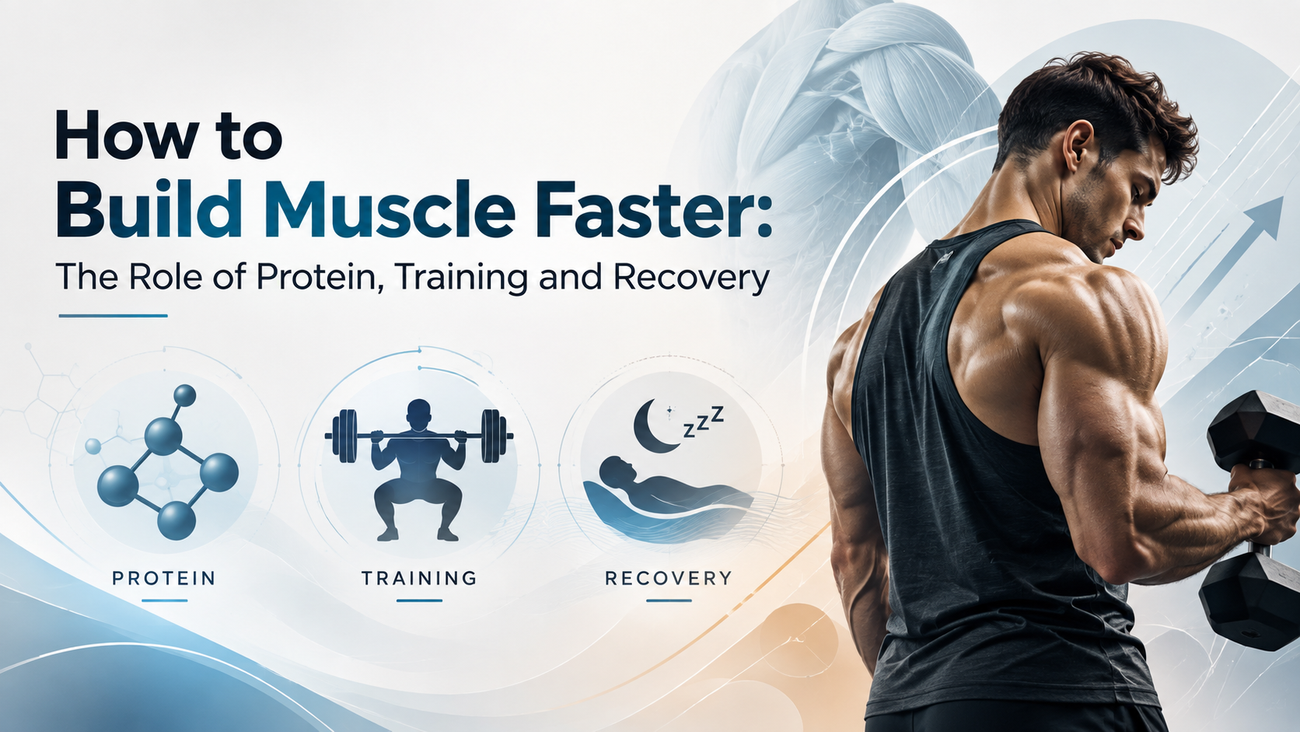
Your body needs time to recover after challenging workouts. Sleep, adequate nutrition and rest all support this process.
Without enough recovery, you may feel tired during your next session. You might also struggle to maintain your usual performance.
Several habits can affect recovery:
- Getting too little sleep
- Skipping rest days when you need them
- Eating too little to support your activity
- Adding more sets when you are already exhausted
More exercise does not always mean better results. Your training plan should balance effort with enough recovery time.
What to do: Maintain a regular sleep schedule and allow enough rest between demanding workouts. Pay attention to persistent fatigue, and seek medical advice if it continues or affects your daily activities.
6. Your Exercise Technique Needs Improvement
Lifting heavier weights can feel like a sign of progress. However, weight alone does not tell the whole story.
When a weight becomes too challenging, you may struggle to maintain proper form. You might also shorten your range of motion to complete more repetitions.
These changes can reduce the quality of your workout and make some exercises less safe.
Instead of comparing your weights with someone else’s, focus on your own technique. A lighter weight that you can control is often a better choice than a heavier one that compromises your form.
You should also learn the correct movement before increasing the load.
What to do: Use a weight that allows you to complete each repetition with good technique. If you are unsure how to perform an exercise, ask a qualified trainer to check your form.
7. You Expect Results Too Quickly
Social media can create unrealistic expectations about fitness. You might see someone share a dramatic transformation and wonder why your own results look different.
However, every person’s fitness journey is different. Training experience, nutrition, sleep, genetics and consistency can all affect progress.
Visible changes also take time. You may notice improvements in strength and exercise technique before you see a major difference in your appearance.
Therefore, avoid judging your entire routine based on a few weeks of training.
Instead, set realistic goals and focus on the habits you can control. Consistent effort is more useful than chasing quick results.
What to do: Give your routine enough time to work. Track improvements in strength, repetitions and consistency. These signs can help you recognise progress even when physical changes are less noticeable.
8. You Judge Your Progress Only by Looking in the Mirror
Looking in the mirror can help you notice physical changes. However, it should not be your only way to measure gym progress.
Your appearance can vary from day to day. Lighting, posture and other temporary factors can affect how you look.
More importantly, fitness progress involves more than appearance. You may be getting stronger, improving your technique or recovering better between workouts.
These improvements are worth recognising, even if you cannot see a major physical change yet.
Tracking different measures gives you a clearer picture of your progress. It also helps you identify whether your current routine is meeting your goals.
What to do: Keep a workout log and review it every few weeks. Record your weights, repetitions and training consistency. You can also use progress photos if they are helpful to you, but do not rely on them alone.
How to Improve Your Gym Progress
If you are going to the gym but seeing no results, avoid changing everything at once. Start with a few simple steps.
- Follow a structured plan. Choose workouts that match your fitness level and goals.
- Track your performance. Record your weights, repetitions and exercise technique.
- Eat balanced meals. Make sure your food intake supports your training and recovery.
- Get enough protein. Include suitable protein sources in your daily meals.
- Prioritise recovery. Get enough sleep and allow time to rest between demanding sessions.
- Be patient and consistent. Give your routine time before deciding whether it needs changes.
- Ask for expert guidance. A qualified trainer or registered dietitian can help you address specific training or nutrition concerns.
You do not always need to work harder to get better results. Sometimes, you need to make your existing routine more effective.
Frequently Asked Questions
1. Why am I not seeing results even though I go to the gym regularly?
You may not be seeing results because your workouts, nutrition or recovery need improvement. Following a structured workout plan, eating balanced meals and getting enough rest can help support your progress.
2. How long does it take to see results from the gym?
The time it takes to see results varies from person to person. Your training experience, workout consistency, nutrition and recovery can all affect your progress. Focus on gradual improvements rather than expecting instant changes.
3. Can protein deficiency affect muscle growth?
Not getting enough protein can make it harder for your body to repair and build muscle. Include protein-rich foods such as dal, paneer, milk, curd, tofu, eggs and other suitable sources in your daily meals.
4. Does whey protein help if I am not seeing gym results?
Whey protein can help you meet your daily protein needs, which support muscle repair and growth. However, it cannot replace consistent training, balanced nutrition and adequate recovery. MUSCELBOND Whey Protein can be considered as one option within a balanced diet.
5. Should I change my workout if I am not seeing progress?
Not necessarily. First, review your workout consistency, exercise technique, nutrition and recovery. If your routine no longer challenges you or does not suit your goals, consider making gradual changes or seeking advice from a qualified trainer.